Hometown Races Hit Different
Parcent races feel different. They are not where I grew up, but they are where I live now – the roads I train on, the climbs I sneak into weekday rides, the corners I know by feel rather than by map. Seeing them wrapped in race tape and filled with riders turns a quiet village into a little cycling universe for the day.
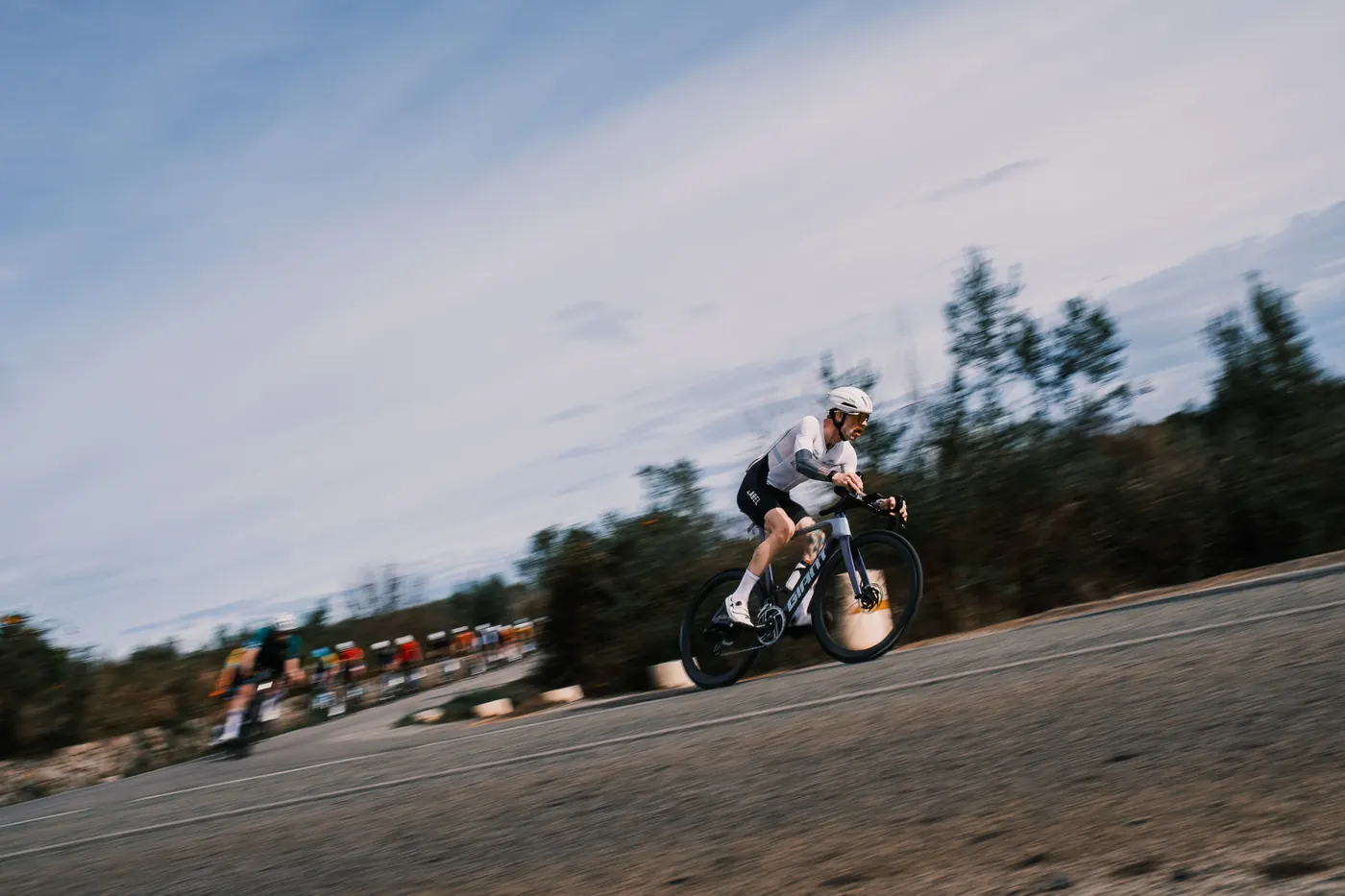
Volta la Marina rolled into my adopted hometown and, honestly, I wasn’t sure if I should even be there. I’d spent most of the week ill, the kind of ill where standing up feels like a threshold effort. Seven days before, the idea of pinning on a number felt ridiculous. But cycling logic is rarely logical, so there I was on the start line in Parcent, hoping my body had short‑term amnesia.
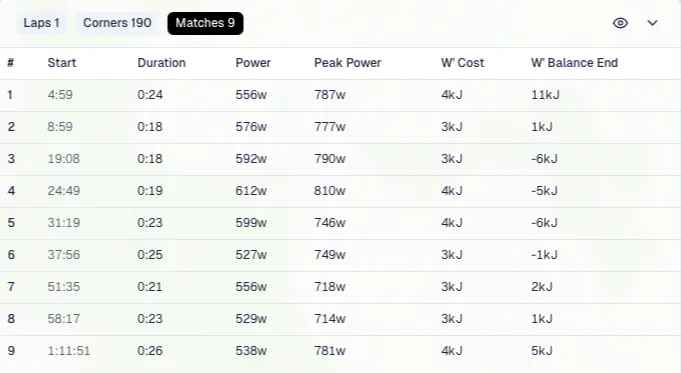
The course was straightforward on paper: fifteen laps. In reality, that meant fifteen rounds of on/off, fifteen times up the same drag, fifteen opportunities for someone to light a match. It was punchy in that very specific, slightly cruel way – no single climb to point at, just repeated stings that slowly add up. You never get the long, steady effort; you get sharp little arguments with your legs, one after another. As you can see below I burnt a fair few matches.
From the very start, it was full gas. Attacks were flying constantly, like the bunch had collectively agreed that any moment below threshold was wasted time. I found myself following moves more on instinct than plan, jumping when someone surged, sliding into little groups off the front, feeling that familiar mix of panic and excitement when a gap actually starts to open.
Despite the week I’d had, there were flickers of good sensations. I even kicked off a couple of attacks myself, choosing spots I know from training – the slight rise that bites harder than it looks, the false flat where the wind always seems to be in your face. There is something very satisfying about trying to put pressure on a bunch on “your” roads, even when you’re not sure how deep the tank really is.
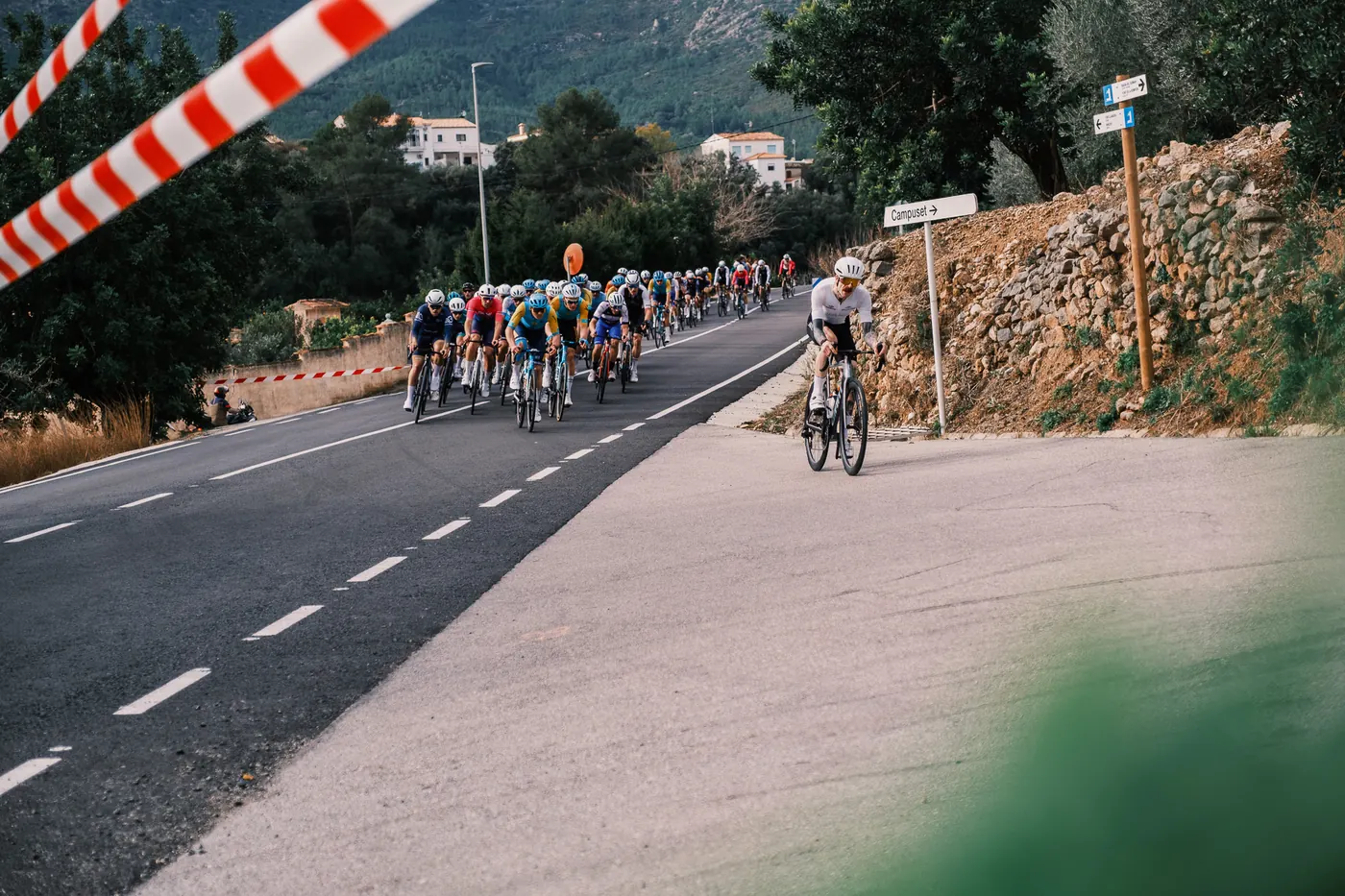
One of the more surreal moments came when I slipped into a move with the Kazakhstan team. For a brief moment it felt like we might be onto something: a little group with a gap, the bunch hesitating behind, that delicious quiet where you can hear chains instead of shouting. Then I looked back and saw their own team‑mates dragging it back. So much for solidarity. It was a funny, slightly absurd reminder that on that day, it really was every rider for themselves.
As the laps ticked by, the course started to feel smaller and larger at the same time. Smaller, because you know every corner now; larger, because fatigue stretches each bit of tarmac out. That’s the thing with circuits: you don’t just race the lap in front of you, you carry the echo of every lap you’ve already done. By the time we hit the last few, my body knew exactly where the hard bits were – and wasn’t especially thrilled about revisiting them.
There was no bell for the final lap it was a chap and his finger pointing out, but it always does something to a bunch. The pace lifts, lines tighten, everyone rides that little bit more nervously. I could feel the race coiling up for the sprint I knew was coming. On the last climb, I tried to stand up and ask my legs for one more proper effort. They replied very clearly: absolutely not. The legs had officially left the chat.
There’s no romance to that moment, just honesty. You watch the front stretch away, feel the gap open, know that today you are not going to write the fairytale. But there is still pride in hanging on as best you can, in riding that last section on stubbornness and habit rather than freshness.
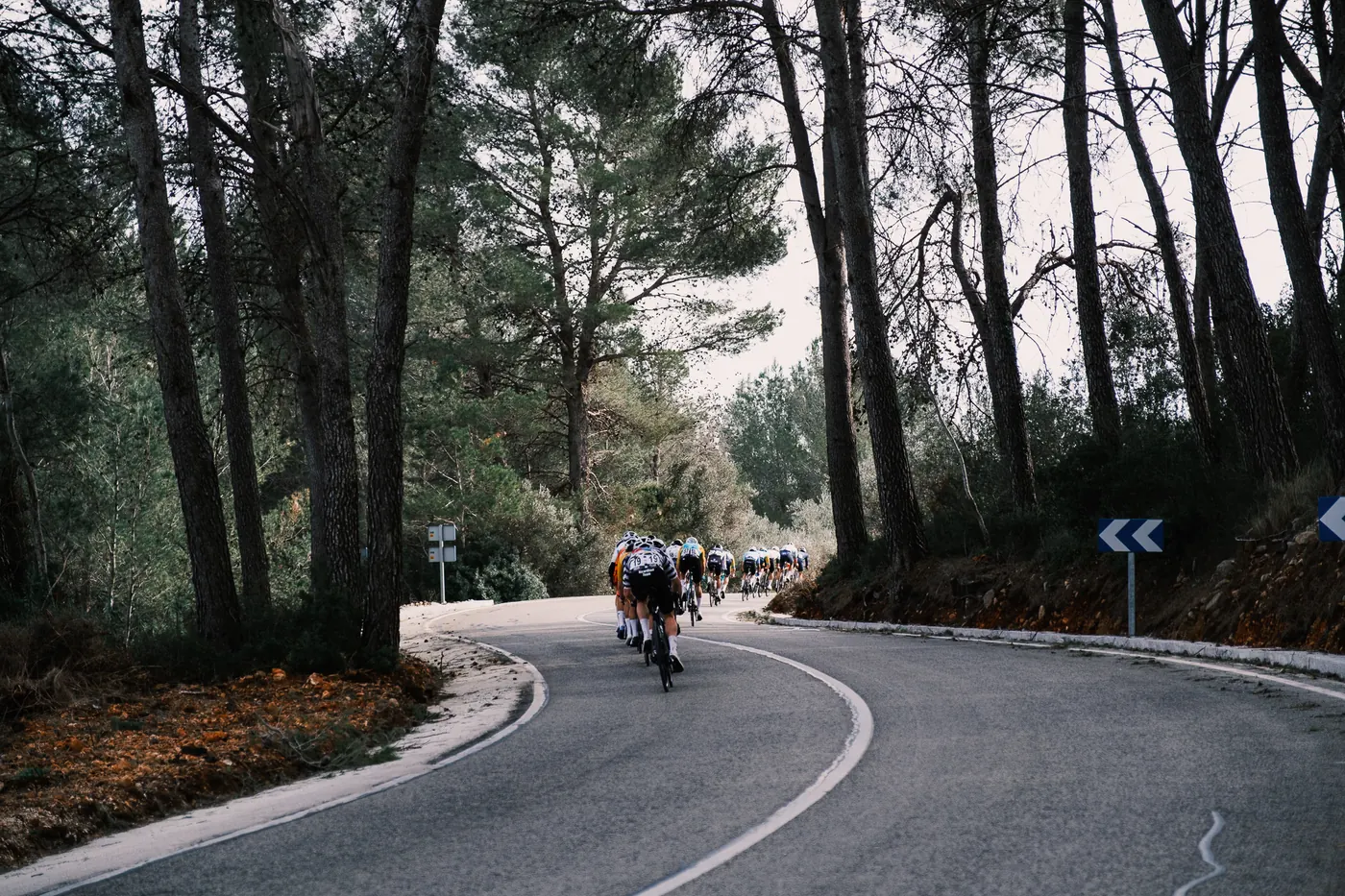
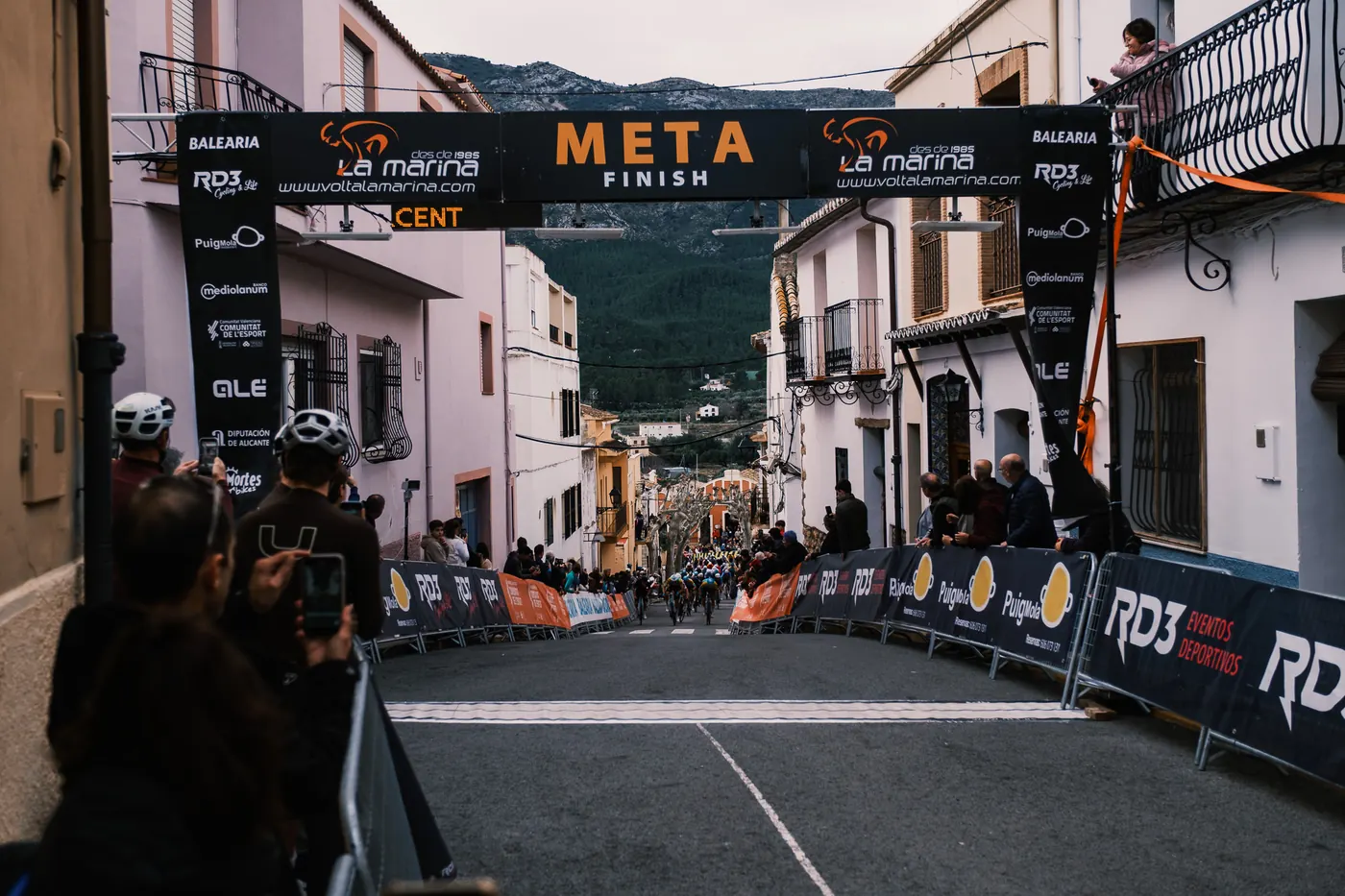
In the end, it came down to a bunch sprint that I watched more than I truly contested. And yet, when the dust settled and the numbers came through, there was a quiet satisfaction: still top 20 on GC, 10th in Elite. Considering that, a week earlier, sitting upright felt like a victory, I will happily take that.
What made it special wasn’t just the result, it was the setting. Racing through the place I now call home felt different to travelling for a race. These are the streets where neighbours see me roll past on training rides, the climbs I suffer up on random Tuesdays, the café where I usually arrive salty and half‑cooked, not race‑pinned and adrenalised. Having all of that turned into a proper race loop felt like letting this place see the “race” version of me, not just the everyday one.
Afterwards, rolling down, legs empty, I didn’t feel disappointed about that final climb. I felt oddly proud – proud that I showed up, that I mixed it when I could, that I found something in a body that had every excuse ready. Parcent may not be where I’m from, but days like this make it feel more and more like home. And for an “adopted hometown” race, that’s more than enough.