Off the Front: Why Breaking Away Hurts So Much
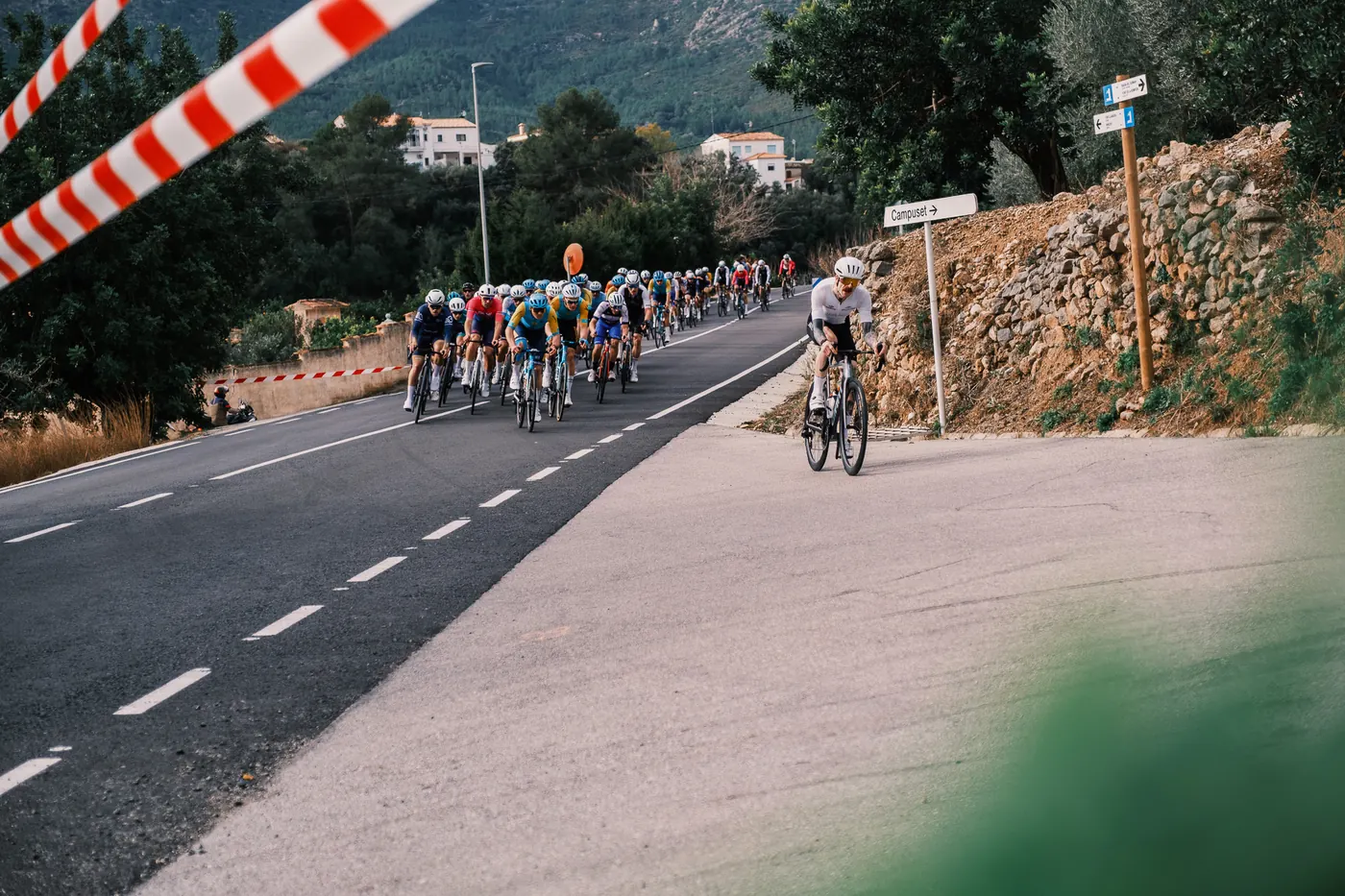
Breaking away from the peloton looks romantic on TV. From inside the bunch it feels like something else entirely: a bad idea you talk yourself into at 52 km/h.
It rarely starts as a grand plan. It starts with a twitch. A lull after a corner, a crosswind section, the briefest moment when the pace dips and that tiny voice says: if you go now, maybe.
You stand up, thread a gap, and in three seconds you’ve gone from anonymous wheel in row seven to the idiot hanging a bike length off the front, fully committed. Then the wind hits.
All that shelter you were half‑consciously relying on disappears. The quiet slipstream where you could hide your bad decisions is gone, and suddenly every pedal stroke is full price. Where riders buried in the middle can get away with a fraction of the work for the same speed, you’re paying retail into a wall of air, watching your power number sit north of threshold and knowing you can’t back off without giving the whole thing back.
The road changes shape when you’re up the road. Corners arrive faster. Little rises turn into ramps. The moto feels too close and the bunch feels too quiet behind you.
You start doing stupid maths in your head: if I hold this for ten minutes; if they hesitate for thirty seconds; if another rider bridges; if they argue about who should chase.
Your legs, meanwhile, are having a very different conversation: this is unsustainable and you know it. The worst part is how personal the chase feels.
In theory, it’s just a mass of riders rotating through, sharing the load, saving energy, playing with you like a yo‑yo on a string.
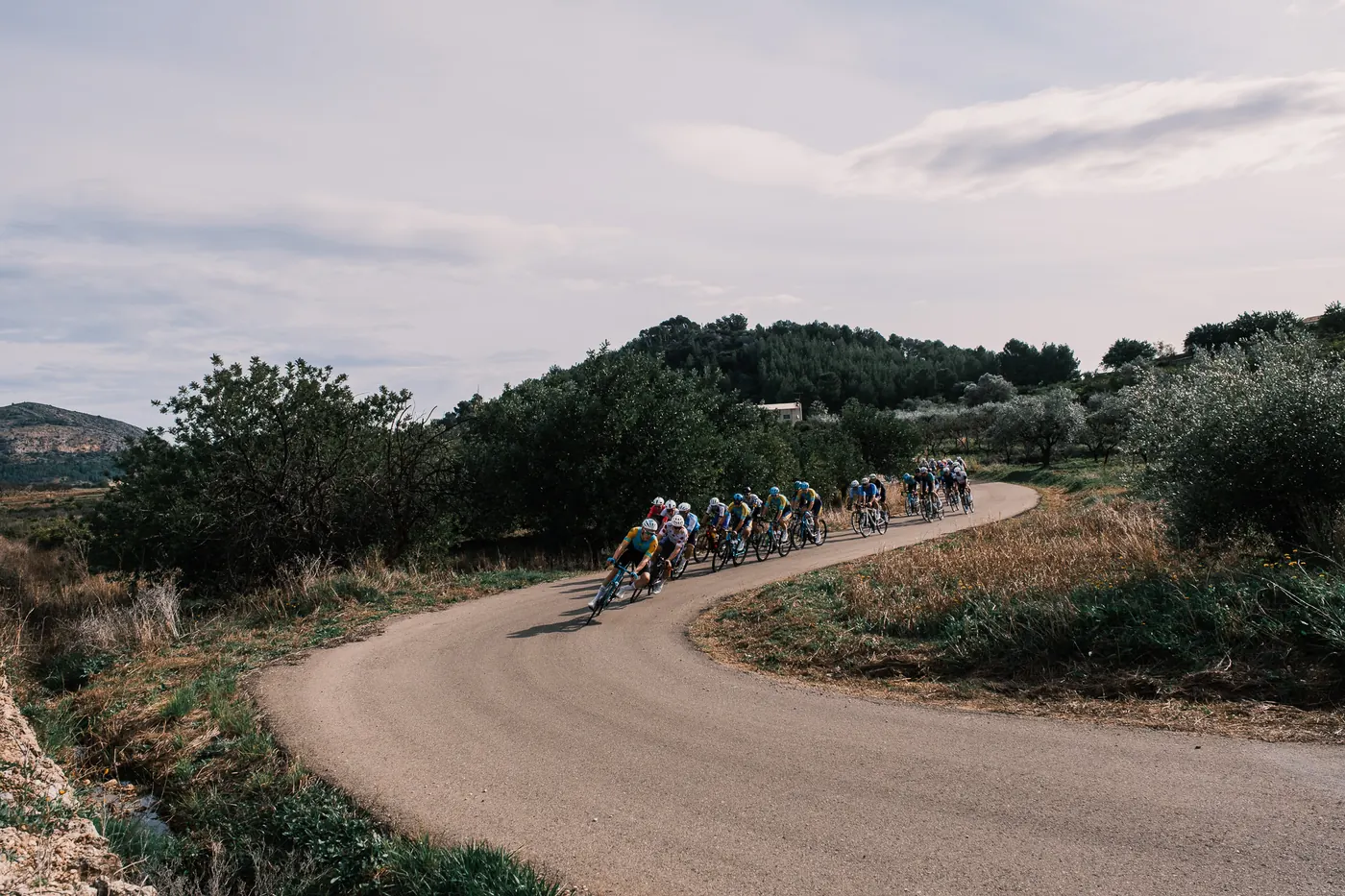
They’re not thinking about you; they’re thinking about watts, teammates, time gaps, feed zones.
But from the front, it feels like an organism deciding, collectively, whether you’re allowed to exist up there. Every time you look back and see that block of colour a little closer, it chips away at your resolve. You tell yourself they’re hesitating. You tell yourself they’re tired.
You tell yourself they’re underestimating you.
Mostly, you’re trying to drown out the louder voice saying: they are inevitable.
There’s a very specific sound when you’re about to be caught.
You hear them before you feel them: the low roar of carbon rims, drivetrains, breathing.
Then comes the whoosh as the peloton swallows you at 5 km/h faster than you can manage.
You try to accelerate, to slot in somewhere, anywhere, but the draft that was your enemy a minute ago is suddenly your only hope, and your legs want nothing to do with it.
In ten seconds you go from brave to broken, spat out the back of the very group you were trying to escape.
On paper, it’s a terrible trade.
You burn more matches than the riders sitting in.
You almost never win.
And the file afterwards will lay it out in brutal detail: higher average power, more kilojoules, that one heroic block of red where you tried to live above threshold for longer than your physiology thinks is reasonable… and a finishing position that looks depressingly ordinary.
So why do we keep doing it?
Because for those few minutes, you get to write the race.
You are not hiding, not “waiting for the sprint,” not hoping the right wheels carry you to the final kilometre.
You are out there forcing the whole bunch to react to you.
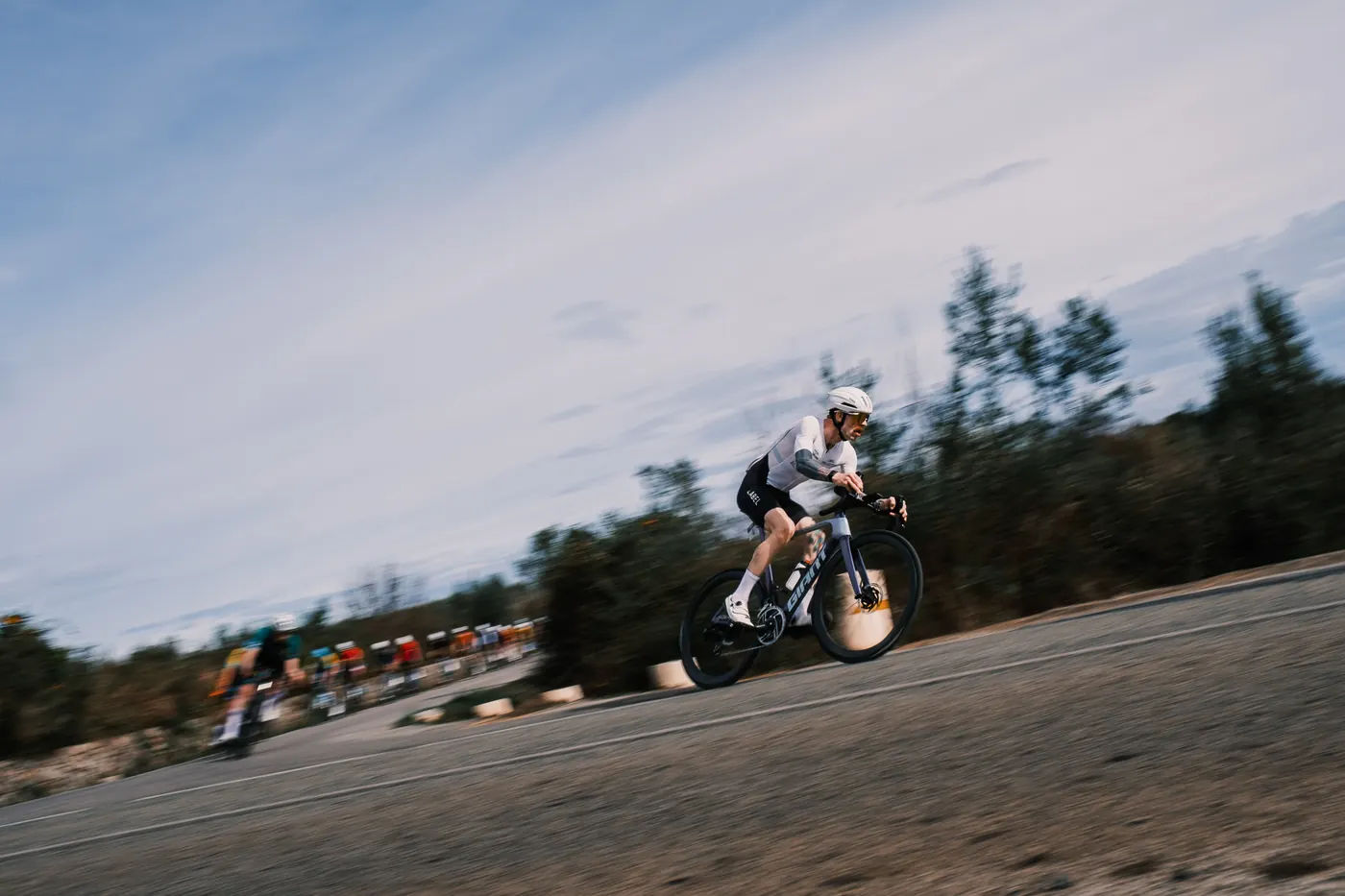
It hurts in a way that sitting in never will, but it also reveals a version of yourself you don’t meet on the sofa. There’s also a quieter truth that only shows up when you look at the numbers with a cool head the next day. Inside that doomed move, there’s information:
how long you can actually sit above threshold, what “over‑under” really feels like when it isn’t neatly drawn as blocks, how your heart rate drifts when you refuse to back off, how many times you can change pace before everything collapses. It’s the kind of data you can’t fake in a lab test and rarely see in a steady sweetspot session.
That’s where the training angle hides. Yes, breaking away is irrational most of the time. Yes, the peloton usually wins.
But if you’re willing to look at the ride afterwards as more than just “I blew up”, it becomes a goldmine. You can turn those minutes of chaos into something useful: better pacing for future attacks, a clearer picture of your “real” threshold on race day, a sense of how deep you can go and still recover enough to hang on.
Breaking away from the peloton is hard because the physics are against you, the tactics are against you, and most days, the odds are against you. You do it anyway, not just because you might win, but because every now and then, pain, stubbornness and timing line up and the bunch blinks first.
And even on the days it doesn’t, you come away with more than sore legs and a sad placing. You come away knowing a little more about what happens when you stop hiding and actually go.