Small Brand, Big Dream: How Building a Cycling Brand Mirrors Training for a Race.
Launching a cycling brand feels a lot like lining up for your first real race. There’s that same uneasy buzz, equal parts excitement and nausea, as you pin your number on, knowing you’ve trained but not knowing if it’s enough. You tell yourself it’s just about having fun, about the experience. But of course, it’s never just that. Deep down, you want to see how far you can go.
When I started sketching ideas for my own small cycling label, I wasn’t trying to reinvent the wheel. I just wanted to make something that felt authentic—the kind of kit and ethos that speak to what cycling really means to me: Inclusivity, craftsmanship, and belonging. But just like racing, it’s easy to underestimate what it’ll take to actually make it happen.
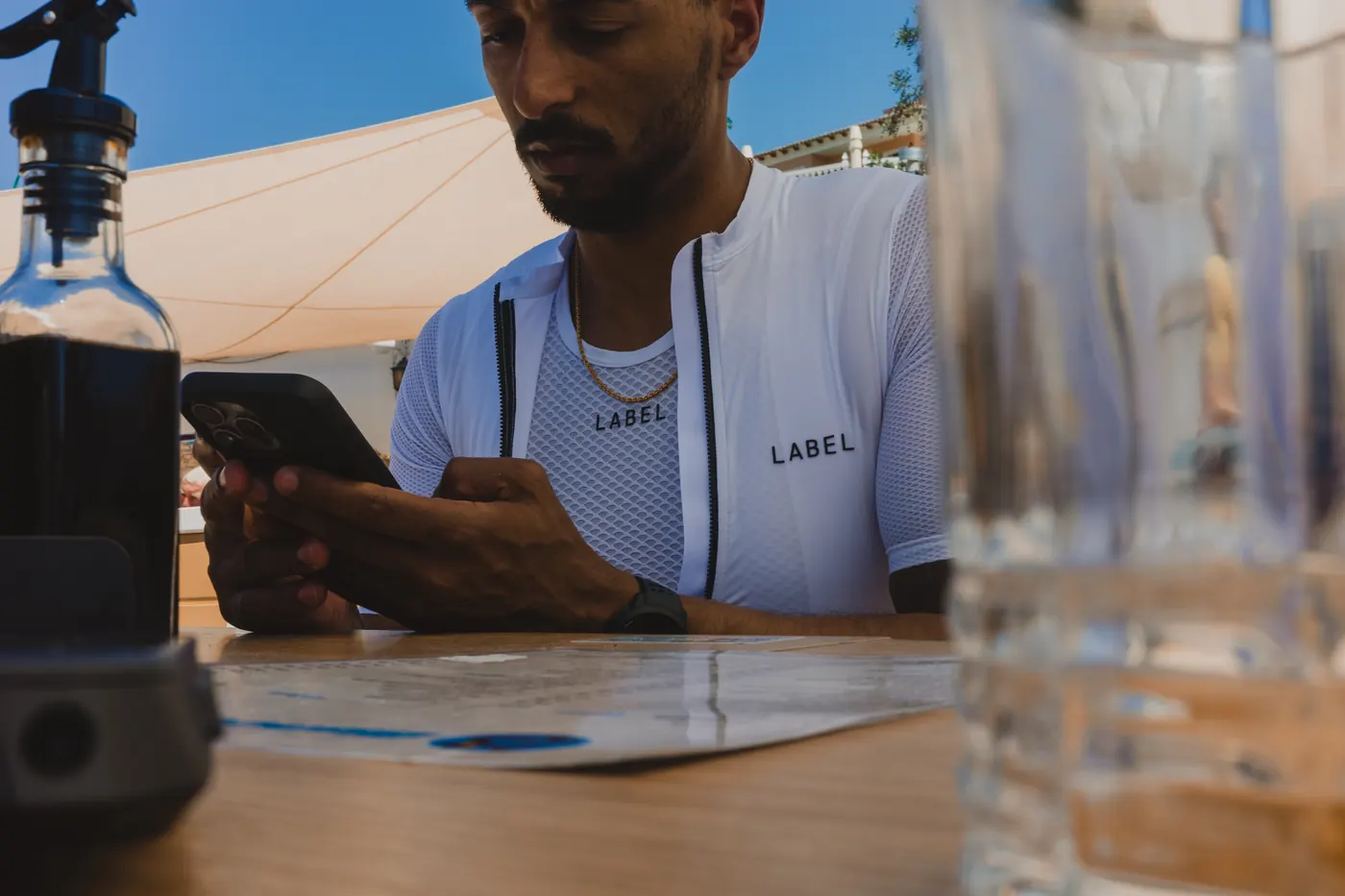
Finding the starting line
It begins with this quiet nudge, that “what if?” moment. In racing, it might be the first training plan you stick to or the club ride where you hold the wheel of someone fitter than you. In business, it’s opening a spreadsheet or sketching your first logo on a napkin.
The early phase feels light and full of promise. You ride your ideas in big, romantic loops: what the brand could stand for, the kind of people who’d wear it, maybe even the look book you’d shoot one day. You imagine yourself rolling through that perfect alpine road in your own kit, the colours dialed, the typography balanced just right.
But, like in training, the honeymoon fades once you hit the first climb: production realities, sourcing headaches, cash flow spreadsheets that refuse to balance. That’s when you realise this isn’t a fantasy project anymore. It’s work.
Endurance over instant results
In cycling and business alike, the biggest enemy is impatience. We’re all primed by the dopamine of quick progress—the first FTP bump, the first design sample—but sustaining it? That’s the real grind.
When training for a race, improvement hides in the repetition: those early-morning intervals, the long solo rides in the cold. You know you’re getting stronger, but mostly you just feel tired. Building a brand has the same rhythm. Some days it feels like you’re turning the pedals but going nowhere. The worst part is that there’s no guaranteed podium at the end, only the belief that consistency will eventually turn into traction.
The creative suffering
Cycling has a phrase for that deep, painful effort: the hurt locker. Brand-building has its version too. It’s when you get your first samples back and they don’t look remotely like they did on your screen or sketch. When suppliers ghost you. When you question whether anyone will care.
But there’s a weird joy in that too, a kind of creative suffering. You keep going not because it’s easy, but because there’s something deeply satisfying about pushing through the rough patches. Each version improves; each prototype feels a little closer to the vision you had in your head.
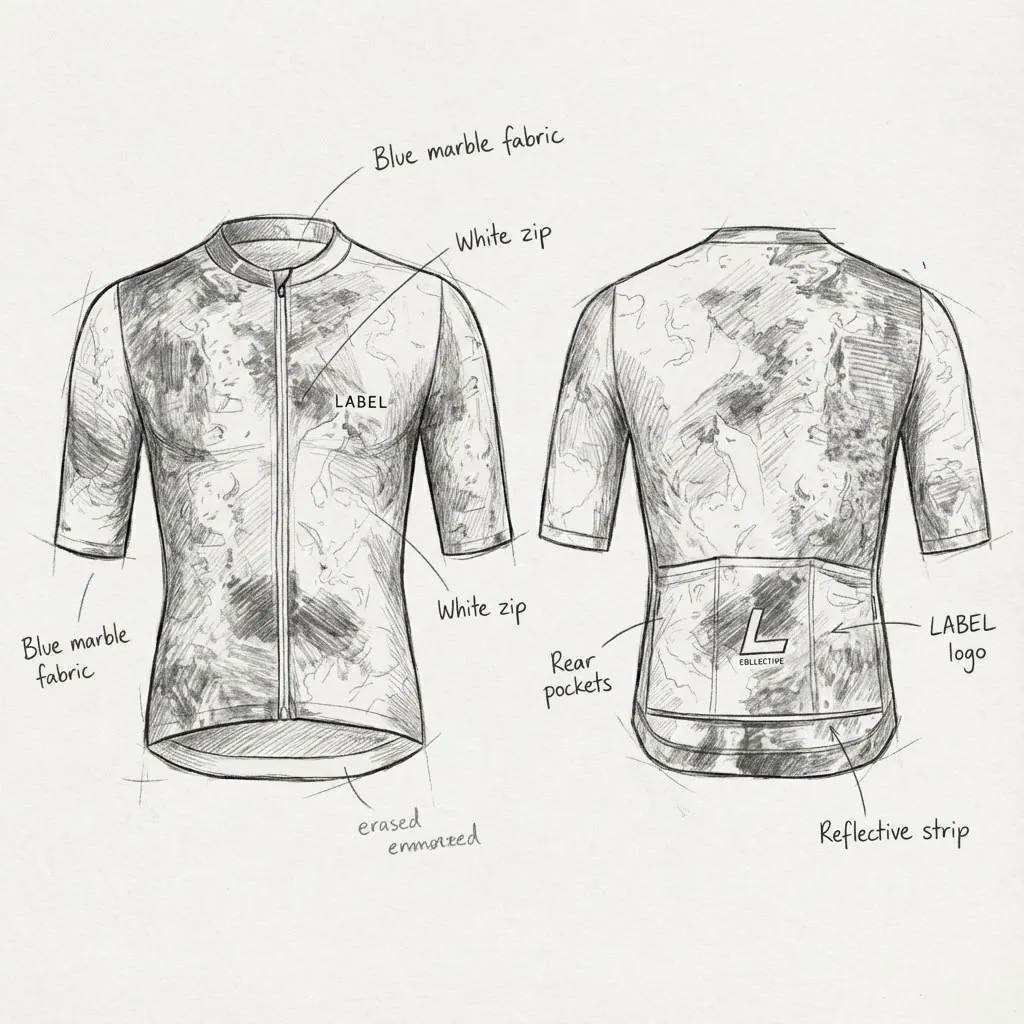
Something shifts when you start to trust that process. You stop chasing perfection and start respecting progress. You realise the flaws, like scars from old crashes, are proof that you’re doing something real.
Training your brand legs
There’s this moment in every cycling season when your legs stop complaining, when your body adapts to the load and suddenly, what used to feel impossible becomes routine. The same thing happens when you build a brand long enough.
At first, every decision takes hours. You obsess over colours, copy, margins. Eventually, you develop what I like to call “brand legs.” You learn to read the road, to spot when an idea has potential or when to ease off and recover.
You start trusting your instincts because you’ve already bonked a few times. You’ve made the rookie mistakes: over-ordering stock, underestimating timelines, believing “just one influencer post” will change everything. But those mistakes are reps. They build endurance.
The community factor
No one trains in isolation, not really. Even the loneliest solo rides are backed by a team, a club, a few voices cheering from the sideline. That sense of community translates directly into the world of small brands.
You’ll find support in unexpected places: the first customer who writes you a thank-you message, the local shop that agrees to carry your kit, the fellow builder who shares supplier contacts after their own hard-earned lessons.
Community becomes fuel. And much like cycling, it’s not just about being the fastest, it’s about being part of something bigger. When you realise your gear is helping others ride further, feel better, or express themselves, that’s your podium.
The race never really ends
The truth is, once you commit to building something, the finish line keeps moving. You launch your first collection, and suddenly you’re already thinking about version two. You find one problem solved and discover five new ones waiting.
But that’s the beauty of both cycling and building a brand: the satisfaction doesn’t come from finishing, it comes from the pursuit. The small wins, the visible growth, the capacity to endure just a little longer than yesterday. For me its as simple as seeing some riding in our kit with a smile on their face. Thats why I started it after all.
Every entrepreneur I know is chasing the same sensation, that elusive rhythm when effort becomes joy, when work feels like purpose. You can’t buy that feeling; you have to ride into it.
So yes, building a small cycling brand mirrors training for a race, the grind, the micro-failures that compound into strength. But the real parallel is this: in both, you start because you love the ride, and stay because you can’t imagine not doing it.